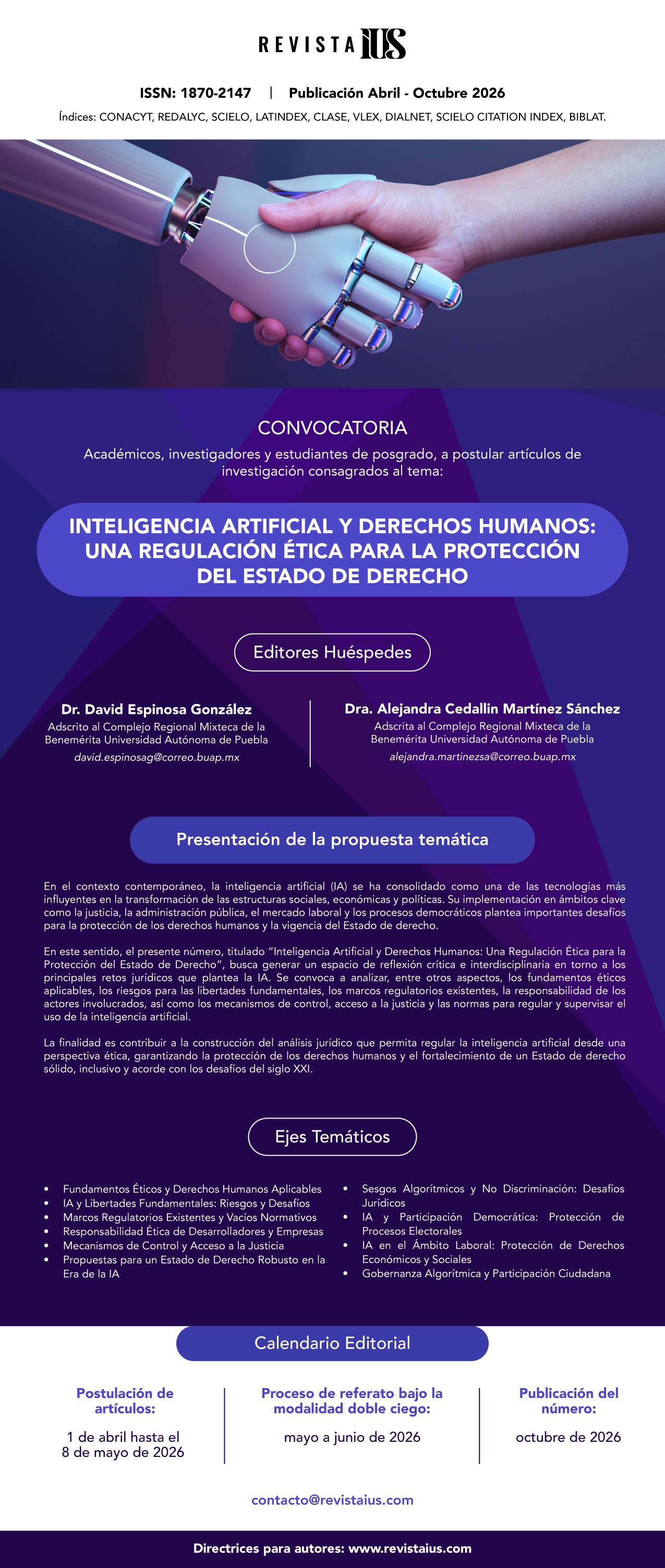
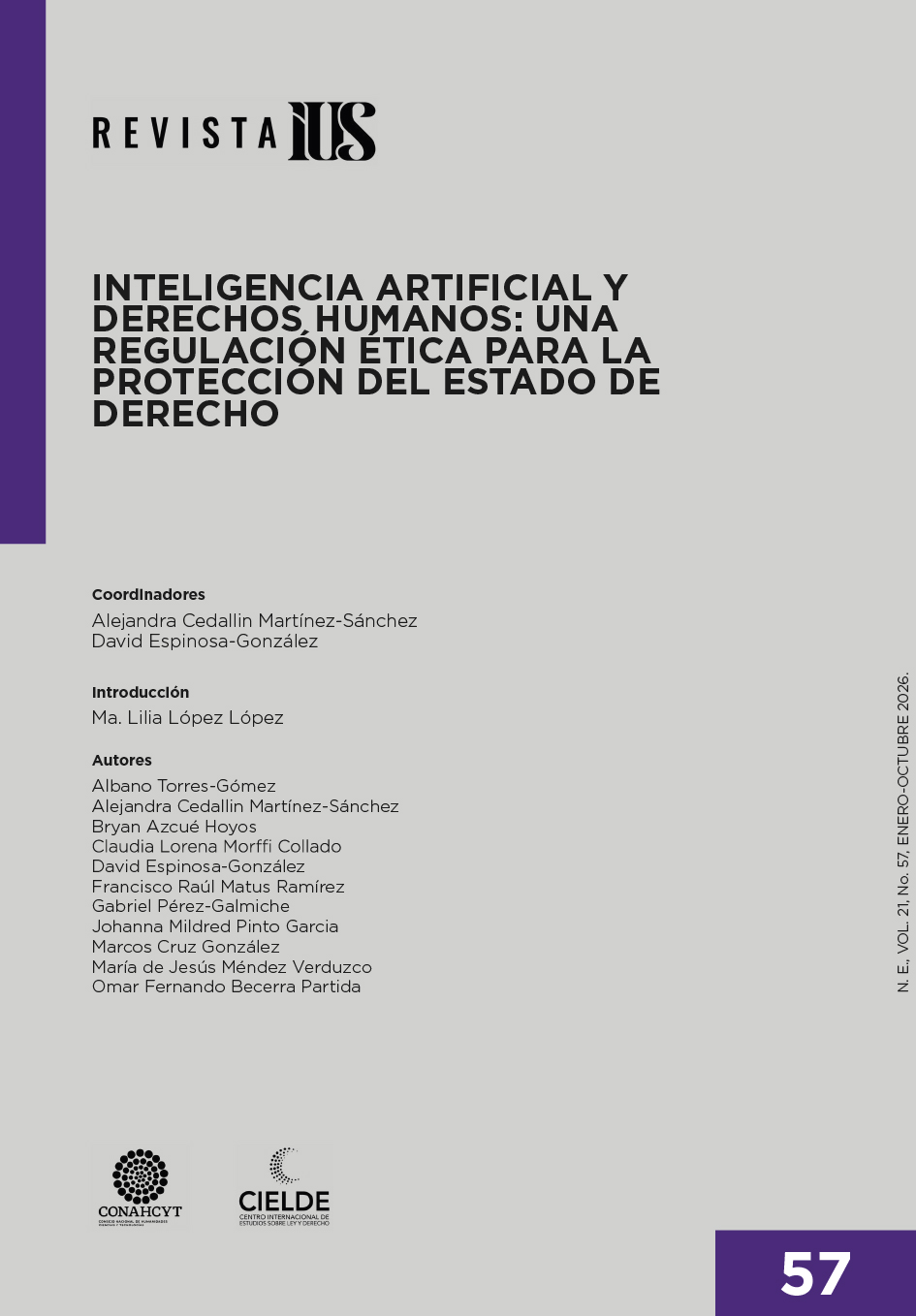
Algorithmic bias in educational systems with artificial intelligence: Ethical, legal, and pedagogical implications from recent literature
Abstract
This article examines recent literature on algorithmic bias in educational systems with artificial intelligence (AI), emphasizing its ethical, legal, and pedagogical implica???? tions. Through a critical review of specialized academic sources and international policy documents, it analyzes how predictive models, learning analytics, automated assessment, intelligent tutoring systems, and remote mo???? nitoring may reproduce or intensify prior inequalities. The central argument is that algorithmic bias is not merely a matter of technical accuracy, but a social and legal issue connected to human rights, non????discrimination, data protection, transparency, accountability, and educational justice. The article identifies research gaps in Iberoame???? rican contexts and proposes criteria for educational governance based on auditing, situated explainability, community participation and human oversight.
Downloads
Downloads
Published
Issue
Section
License

This work is licensed under a Creative Commons Attribution-NonCommercial-ShareAlike 4.0 International License.
Revista IUS, published by the Legal Sciences Institute of Puebla A.C., is distributed under the Creative Commons Attribution-NonCommercial 4.0 International (CC BY-NC 4.0) license.
We authorize collaborators to upload a copy of their published work on their personal websites or any Open Access repository, provided that Revista IUS is specifically cited as the original source, indicating the year and issue of the respective example and adding the link to the webpage on which this publication can be freely consulted in toto and without charge: http://www.revistaius.com
Readers are free to:
Share, copy and redistribute the material via any medium or format.
The licensor cannot revoke these freedoms as long as you follow the license terms.
Under the following terms:
Attribution: You must give appropriate credit, provide a link to the license, and indicate if changes were made.
You may do so in any reasonable manner, but not in any way that suggests the licensor endorses you or your use.
NonCommercial – You may not use the material for commercial purposes.
If you remix, transform or build upon the licensed material, its distribution is not permitted.
Charges for managing articles: Revista IUS will not charge for receiving, processing or publishing articles (Article Processing Charge, or APC) submitted by authors.